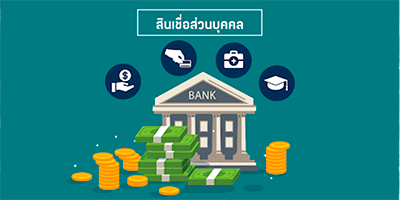








กู้เงินออนไลน์ทางเลือกใหม่ยุคโควิด
ในปีนี้ประชาชนชาวไทยทุกคนต่างประสบปัญหาในเรื่องปากท้องกันทั่วประเทศ เศรษฐกิจประเทศไทยค่อยๆ ร่วงดิ่งลงอย่างต่อเนื่องโดยไม่มีทีท่าจะฟื้นตัวขึ้นได้เร็วๆ นี้ เนื่องจากโรคโควิด 19 ที่ยังพบว่ามีการระบาดต่อเนื่องอย่างหนักตั้งแต่ปลายปี 2019 ยิงยาวมาจนถึงปี 2024 หลายๆ คนอาจจะเริ่มท้อใจ กำลังใจในการหาเงินเริ่มถดถอยเพราะการประกอบอาชีพในยุค
นิวนอร์มอล (New Normal) นั้น ช่างลำบากเสียจริง ๆ จึงเลี่ยงไม่ได้เลยที่หลายครอบครั้วเลือกที่จะหาทางออกด้วยการพึ่งการกู้สินเชื่อเงินด่วนหรือยืมเงินออนไลน์ตามสถาบันการเงินที่น่าเชื่อถือต่าง ๆ
ในปัจจุบันนี้ธุรกิจประเภทเงินกู้ออนไลน์นั้นมีมากมายหลากหลายรูปแบบ เช่น สินเชื่อเงินสดอนุมัติด่วน โดยจะเห็นได้เพิ่มมากขึ้นในหน้าอินเทอร์เน็ตต่าง ๆ ในการใช้บริการกู้เงินออนไลน์จะมีทั้งกู้เงินดอกเบี้ยถูกและแพงแตกต่างกันไปแล้วแต่เงื่อนไขของแหล่งเงินกู้นั้นๆ แต่สิ่งที่ผู้ใช้บริการยืมเงินออนไลน์ด่วนจะต้องระวังเป็นอย่างยิ่งและไม่ควรเผลอไปใช้บริการเลยนั่นคือบริการกู้เงินด่วนนอกระบบ และบางครั้งที่ไม่มีทางเลือกสำหรับคนที่ต้องการใช้เงินด่วนมากที่อยู่ต่างจังหวัดอาจจะจำเป็นจะต้องใช้บริการเจ้าหนี้นอกระบบ เราจึงมักพบเจอบ่อยๆ กับคำค้นหา “เงินด่วนโอนเข้าบัญชี 2567 ต่างจังหวัด” ในหน้ากูเกิ้ล
การกู้เงินออนไลน์ต้องระวังอะไรบ้าง
แน่นอนว่าเมื่อคุณร้อนเงิน มองหาเงินด่วน 30 นาทีโอนเข้าบัญชี และใช้บริการกู้เงินด่วน สิ่งแรกที่คนส่วนใหญ่ทำนั่นคือหาช่องทางกู้เงินด่วนและแหล่งเงินกู้ที่ให้เงินได้รวดเร็ว คนส่วนใหญ่มักจะรีบตัดสินใจเลือกกู้โดยยังไม่ทันได้พิจารณาหลาย ๆ อย่างให้ถี่ถ้วน การรีบร้อนตัดสินใจจะทำให้คุณอาจจะเป็นหนึ่งในผู้เสียหายที่ปรากฏตัวตามหน้าข่าวที่เห็นกันบ่อยครั้ง หลายคนถูกหลอกเมื่อแหล่งกู้เงินออนไลน์ที่แอบแฝงไปด้วยเหล่ามิจฉาชีพให้ส่งเอกสารต่าง ๆ ที่มากเกินความจำเป็น เช่น หากมีการขอสำเนาเอกสารโดยมีการให้เซ็นสำเนาถูกต้องพร้อมชื่อและลายเซ็นโดยไม่เขียนวัตถุประสงค์บนเอกสารอย่างชัดเจน โดยอาจจะอ้างว่าขอเอกสารเผื่อไว้อีกชุด เหล่านี้ให้เริ่มสงสัยได้เลยว่าอาจจะมีอะไรไม่ชอบมาพากลแล้ว หรือในการดำเนินการยืมเงินด่วน 24 ชม มีการอ้างว่าจะต้องเสียค่าธรรมเนียมต่าง ๆ ในการดำเนินการ ที่ดูจะมากเกินความจำเป็น เหล่านี้ก็ให้เริ่มเอะใจได้เลย เพราะหากคุณกู้เงินจากสถาบันการเงินที่เชื่อถือได้ ค่าบริการต่าง ๆ ในส่วนนี้ไม่มีความจำเป็นจะต้องจ่ายทั้งสิ้น
แอพกู้เงินออนไลน์ที่น่าเชื่อถือดูจากอะไรบ้าง
การใช้บริการยืมเงินด่วนออนไลน์บางครั้งก็เป็นดาบสองคมได้เช่นกัน ในส่วนที่ดีคือทำให้ผู้ที่ต้องการกู้เงินด่วน มีเงินก้อนมาหมุนใช้ทั้งในชีวิตประจำวันและใช้ลงทุนทำธุรกิจหรือหมุนเวียนให้เกิดความคล่องตัวทางธุรกิจได้อย่างรวดเร็วทันใจ ส่วนข้อเสียนั้นคงจะหนีไม่พ้นในเรื่องของหนี้สินที่พอกพูนขึ้นพร้อมอัตราดอกเบี้ยในรายวันบ้าง รายเดือนบ้างตามแต่จะตกลงในแต่ละที่ แหล่งกู้เงินออนไลน์นั้นมีหลากหลายแหล่งเงินกู้นอกระบบและจะต้องเลือกที่น่าเชื่อถือได้เป็นหลัก สิ่งที่ผู้กู้เงินควรระวังเป็นอย่างยิ่งคือจะต้องไม่รีบร้อนจนเกินไป เพราะหากไม่ระวังแล้วไปเผลอใช้บริการกู้เงินออนไลน์ที่มักโฆษณาชวนเชื่อว่าให้ “เงินด่วนโอนเข้าบัญชีนอกระบบ” อาจจะทำให้เกิดความเดือดเนื้อร้อนใจขึ้นมาได้จากการเร่งรัดทวงหนี้ด้วยวิธีที่ค่อนข้างคุกคามและอันตรายทั้งยังมีอัตราดอกเบี้ยที่แสนแพง ดังนั้นก่อนใช้บริการกู้เงินออนไลน์จึงควรหาแหล่งเงินกู้ที่ถูกกฏหมายและมีความน่าเชื่อถือได้จะดีที่สุด
กู้เงินออนไลน์ 1000, 3000, 5000, 15000 บาท ได้ที่ไหน
บริการสินเชื่อออนไลน์ที่ถูกกฎหมายในปัจจุบันนี้พบเห็นได้ทั่วไปตามแอพพลิเคชั่นต่าง ๆ ที่สามารถเข้าถึงได้ง่าย และการสมัครใช้งานไม่ต้องใช้เอกสารมากมายให้ยุ่งยากเหมือนแต่ก่อน ซึ่งปัจจุบันนี้แค่มีบัตรประชาชนใบเดียวก็สามารถใช้สมัครได้เลย ดังนั้นจึงตอบโจทย์เรื่องความแออัดที่จะต้องไปทำธุรกรรมทางการเงินที่ธนาคาร และเข้ากับยุคสมัยที่ทุกคนต้องเว้นระยะห่างระหว่างกันในยุคที่มีโรคระบาดอยู่ทั่วเมืองด้วย
แอพพลิเคชั่นกู้เงินออนไลน์ที่ให้บริการเงินกู้ด่วนออนไลน์ที่ถูกกฎหมายนั้นพอจะมีอยู่บ้าง ส่วนใหญ่นั้นมักจะเป็นสถาบันการเงินที่มีชื่อเสียงอยู่แล้ว เช่น บริการบัตรกดเงินสดอนุมัติไว SCB EASY จากธนาคารไทยพาณิชย์, K PLUS จากธนาคารกสิกรไทย เป็นต้น แต่ในการใช้บริการอาจจะต้องใช้เวลารอการอนุมัติสินเชื่อในระยะเวลามากน้อยไม่เท่ากันขึ้นอยู่กับการพิจารณาจากหลักฐานการขอสินเชื่อของผู้กู้ นอกจากนี้ยังมีธนาคารออนไลน์ในรูปแบบใหม่ที่มีความน่าเชื่อถือสูงอย่าง เช่น ไลน์บีเค (Line BK) ที่มีการให้บริการเต็มรูปแบบในรูปโมบายแบงก์กิ้งเป็นแห่งแรกในประเทศไทย ซึ่งจัดทำขึ้นโดยความร่วมมือระหว่างธนาคารกสิกรไทยและไลน์ ในชื่อบริษัทกสิกรไลน์ จำกัด โดยมีวงเงินให้ยืมตั้งแต่ 1000 บาท ไปจนถึง 800,000 บาท ดังนั้นหากต้องการยืมเงิน 1000 ด่วน คุณสามารถลองใช้บริการจากไลน์บีเคได้ โดยการสมัครผ่านทางหน้าแอพพลิเคชั่นไลน์ได้ทุกเมื่อ
แต่ทั้งนี้การใช้บริการกู้เงินออนไลน์นั้นก็มีข้อเสียอยู่บ้างเพราะในบางครั้งการกู้เงินออนไลน์ ก็มีไม่ผ่านการอนุมัติด้วยเช่นกัน เพราะหากผู้กู้เองมีพฤติกรรมการใช้เงินที่ไม่น่าเชื่อถือ เช่น มีการติดเครดิตบูโร การมีบัตรเครดิตหลายใบ และมีการกู้สินเชื่อจากหลาย ๆ แหล่ง เหล่านี้ ล้วนเป็นสาเหตุให้การอนุมัติกู้เงินผ่านได้ยากมากขึ้นเช่นกัน